Summer pest prevention Cape Town: The best time to keep unwanted visitors out is before you spot a cockroach in the kitchen or hear scratching in the ceiling. As the weather warms up, a few practical habits can make your home or business less attractive to pests.
In Cape Town, pest problems can change with the seasons. Damp conditions during winter, warmer weather in spring and summer, and the everyday availability of food, water and shelter all play a part. The good news? You can make your property much less inviting before an occasional visitor becomes a recurring problem.
This practical guide to pest control in Cape Town looks at seven sensible prevention steps for homes, guesthouses, restaurants, offices and other businesses. No dramatic promises or complicated tricks, just the habits that matter and a clearer idea of when to call for professional help.
Why pest prevention matters in Cape Town
Warmer months often mean more activity from flies, cockroaches and rodents. Cape Town’s own Environmental Health Department has warned that food waste and poorly managed rubbish can help these pests thrive during summer. Rain and moisture also affect how pests use buildings, especially where gutters, drainage, leaks and sheltered outdoor spaces provide comfortable conditions.
The City of Cape Town has highlighted pest-related public health concerns and encouraged households to focus on waste management, safe food storage and avoiding illegal pesticides. You can read its summer pest control guidance for further information.
In coastal suburbs, gardens, apartment blocks, restaurants and neighbourhood shopping centres, the details differ. Yet the basic principle remains the same: pests look for easy access to food, water and somewhere to hide.
Summer pest prevention Cape Town: seven practical steps for local properties
1. Make food and waste harder to reach
A few crumbs behind the toaster may not seem important, but pests are remarkably good at finding overlooked food. Clean up spills promptly, wipe food preparation areas after use and store dry goods in sturdy, sealed containers. Empty kitchen bins frequently and keep outdoor bins closed.
For businesses, pay special attention to refuse storage, deliveries and staff kitchens. Restaurants and guesthouses should have routines for checking areas behind appliances, underneath shelving and around waste collection points.
Try this: At the end of each day, inspect one spot that rarely gets cleaned, such as the space beneath a bin, behind the microwave or around a pet-feeding station.
2. Fix leaks and reduce unnecessary moisture
Water makes a property more attractive to many pests. A dripping tap, leaking pipe or constantly damp area beneath a sink can provide reliable moisture even when there is little else available.
Cape Town’s winter rain also makes it sensible to check drainage, gutters and places where water collects around a building. Address leaks, dry wet storage areas and maintain good ventilation where practical.
Try this: Open the cupboard beneath each sink and look for damp surfaces, water marks and musty odours. These can signal a maintenance problem worth investigating.
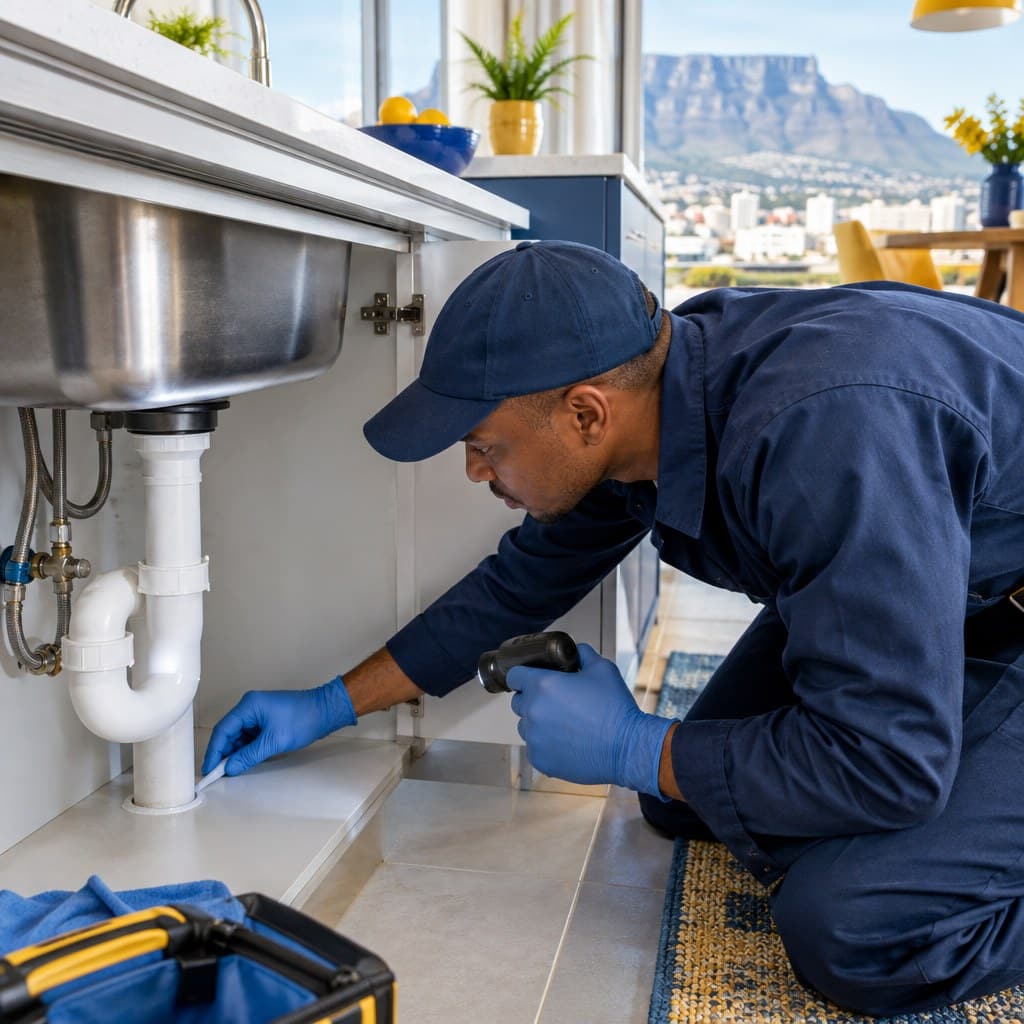
3. Close the gaps pests use to enter
Rodents and insects can exploit small openings around doors, service pipes, damaged vents and cracks. Inspect door sweeps, window screens, wall penetrations and gaps around plumbing.
Appropriate sealing, repairs and exclusion measures can make a meaningful difference. For commercial premises, check loading bays, rear entrances and the areas where utility services enter the building.
Try this: Walk around the exterior in daylight and note visible gaps, especially near food storage areas and bins. If you suspect active nesting inside a wall or roof, obtain professional advice before disturbing it.
4. Give gardens, courtyards and storage areas some attention
Cape Town properties often include compact courtyards, outdoor entertainment areas, gardens or shared refuse spaces. Overgrown vegetation, stacked materials and neglected storage corners create places where pests can shelter undisturbed.
Move clutter away from walls where possible. Keep outdoor areas maintained and avoid leaving pet food out overnight. Store compost and garden waste responsibly.
Try this: Check behind pot plants and along boundary walls. You may spot moisture, rubbish or entry points before the problem moves indoors.
5. Learn the warning signs instead of relying on guesswork
A single insect does not always signal a major infestation. Repeated sightings, however, deserve attention. Cockroach droppings, unusual odours, damaged food packaging, gnaw marks, rodent droppings and scratching sounds can indicate a developing problem.
Different pests require different responses. Ant activity near a window, cockroaches inside a kitchen appliance and rodents in a roof space should not all be treated with the same product or method.
Keep a brief record of where and when you notice activity. Photographs, where safely possible, can help a professional identify the pest and recommend an appropriate approach.
6. Be careful with pesticides and home remedies
When pests appear, it is tempting to reach for the strongest product on the shelf. That is not always the safest or most effective choice. Incorrect products or application methods can expose children, pets, workers and visitors to unnecessary risk.
The City of Cape Town warns against unlabelled and illegally sold pest poisons. If using a household product, choose one registered for use in South Africa, keep it in its original packaging and follow every label instruction. Never mix chemicals or place poisons where children or animals can reach them.
For persistent infestations or sensitive settings such as food premises, healthcare spaces and childcare facilities, consult a qualified pest control professional. They can assess the source, suitable treatment and any safety precautions required.
7. Build a routine instead of waiting for a crisis
Prevention works best when it becomes part of ordinary property maintenance. Add simple checks to your weekly and monthly routines:
- Daily: Clear food waste, clean preparation surfaces and close bins.
- Weekly: Inspect under sinks, behind accessible appliances and around refuse areas.
- Monthly: Check door seals, visible gaps, drainage, storage areas and recurring pest hotspots.
- Seasonally: Review outdoor maintenance, moisture problems and changing pest activity.
In a busy business, assign responsibility for the checks and record concerns. A short inspection log can help identify patterns and prevent small issues from being forgotten between shifts.
Which pests should Cape Town property owners watch for?
Cockroaches
Cockroaches may be attracted by accessible food, moisture and sheltered cracks. Kitchens, service areas, cupboards and appliance spaces are worth monitoring. The presence of multiple cockroaches or repeated sightings can justify a professional inspection.
Rats and mice
Rodents can contaminate food and damage materials. Look for droppings, gnaw marks and possible entry points. The City of Cape Town specifically encourages secure food storage, closed bins and the sealing of holes and cracks as preventive measures.
Ants and flies
Ants can follow food sources indoors, while flies are often associated with waste and other organic material. Clean surfaces, sealed food and well-managed rubbish reduce avoidable attractions. Identify the problem before selecting treatment.
Other household or commercial pests
Some properties may face fleas, bed bugs, fish moths or other pests. Because treatment needs differ, accurate identification matters. Avoid assuming that a general spray will resolve every issue.
Pest prevention for Cape Town businesses
Commercial properties have particular responsibilities. A restaurant or café may need to watch deliveries, food preparation areas, storage and refuse handling. A hotel or guesthouse needs good housekeeping procedures and a quick way for staff to report sightings. Warehouses and offices may require checks around loading doors, stock rooms and kitchenettes.
For these premises, a clear pest management plan is more useful than waiting for complaints. It should identify inspection points, reporting procedures, cleaning responsibilities and when professional treatment is required. Businesses working with food should also account for their applicable hygiene and regulatory obligations.
When should you call a pest control professional?
Call for specialist help when pests keep returning, there are signs of rodent activity, you cannot identify an infestation, or the affected area presents particular risks. Businesses should also respond promptly when pest activity could affect customers, stock, food safety or operations.
A proper assessment should consider the kind of pest, the likely source, possible entry points and suitable control measures. Ask about preparations, treatment access, safety precautions and whether follow-up is recommended.
Extreme Clean provides pest control services in Cape Town for residential and commercial properties. The team can advise on treatment and preventive steps suited to your premises.
Frequently asked questions about pest control in Cape Town
Are pests more common in Cape Town during summer?
Many pests become more active or reproduce more readily in warmer conditions. Cape Town’s Environmental Health Department has highlighted an increase in flies, cockroaches and rodents during warmer months. Activity still varies by pest, property and conditions.
Can I prevent cockroaches without spraying every room?
Good sanitation, dry surfaces, suitable food storage and closing entry gaps are useful first steps. Persistent cockroach activity may require a targeted professional treatment.
What should I do if I see signs of rats?
Secure food and waste, avoid handling rodents or droppings without appropriate precautions, and seek expert advice about inspection and control. Do not leave unprotected poison where people or animals may encounter it.
How often should a business arrange pest inspections?
That depends on the operation, its risk level, history of pest activity and any applicable requirements. A food business may need a more formal monitoring schedule than a low-risk office. Ask a professional to recommend a suitable plan.
Is one pest control treatment always enough?
No. The answer depends on the pest, extent of the problem, treatment method and whether food, water, shelter and entry points have been addressed. Some situations need follow-up or continued monitoring.

Keep unwanted visitors off your summer guest list
Cape Town has plenty to enjoy as the weather warms up. Cockroaches in the kitchen and rodents in the roof should not be part of the season.
Start with the basics: clean food storage, secure bins, dry problem areas and small maintenance checks. If pest activity continues, professional advice can help you address the problem with a more informed plan.
Need help protecting your property? Explore Extreme Clean’s Cape Town pest control services or ask the team for a quotation and advice on the next steps.